
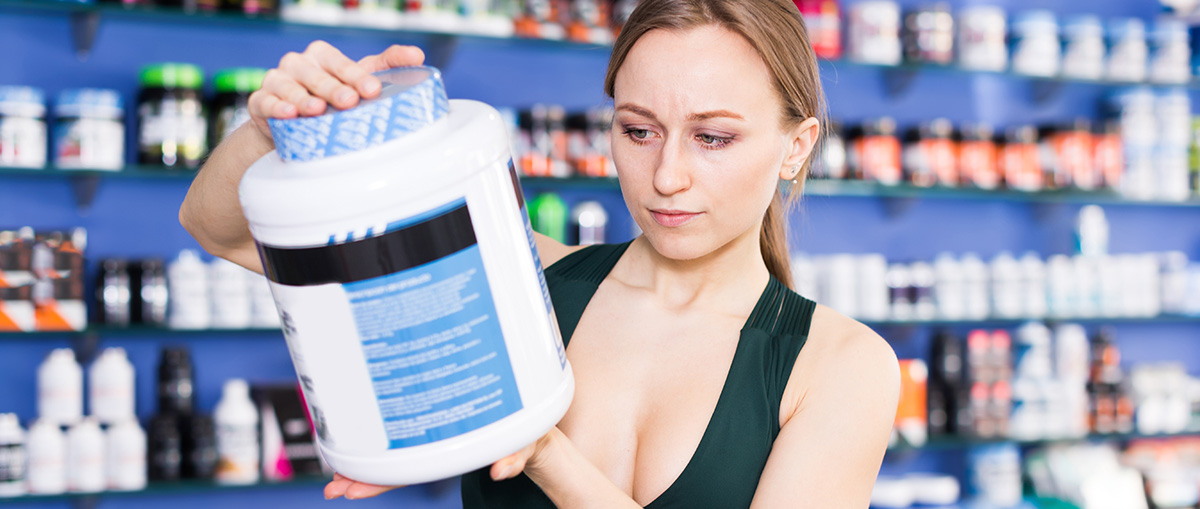
Yet another reason to consume a good quality whey protein. Fortifeye Super Protein, Fortifeye Grass Fed Whey Isolate and Fortifeye Fit Pro use the purest most bio-available form of whey protein in the industry. Drink whey protein to build muscle , enhance immunity and energy , lower cholesterol and improve heart health.

 Alcon is a Registered Trademarks of Alcon, Inc
 Acrysof® is a Registered Trademarks of Alcon, Inc


 Without Glasses?!! that is worth everything to me!
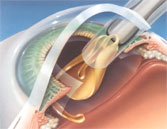
  Cataract surgery has undergone tremendous technological advances since the days of your parents and grandparents. This year, millions of patients will choose to have both their vision and their lifestyles restored, thanks to this life-changing medical procedure.
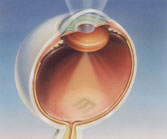
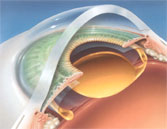
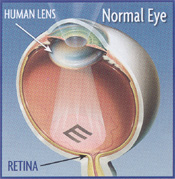 A cataract is a clouding of the natural lens inside your eye. This lens, located behind the iris (or colored part of the eye) works just like the lens of a camera – focusing light images on the retina, which sends the images to your brain.
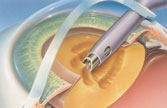
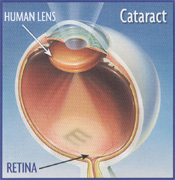 A cataract can be the reason sharp images become blurred, bright colors become dull, or seeing at night is more difficult. It may also be why the reading glasses or bifocals that used to help you read, or do other simple tasks, no longer seem to help. Unfortunately, cataracts can’t be prevented, but removing the cataract and replacing it with and artificial lens can restore your vision and in many ways, significantly improve your quality of life. The time to have your cataracts removed is when the quality of your vision begins to put limits on your activities and enjoyment of life.
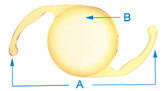
  Intraocular lenses were first introduced in 1949 and are available today in all kinds of shapes, sizes, and lens materials. AcrySof® IOLs are made of the first foldable material developed exclusively for use in the eye. With more than 21 million lenses implanted, the AcrySof® lens has been the most commonly used IOL in the world, since they became available in 1994. Its popularity is largely due to their ability to provide excellent visual results and a high level of patient satisfaction.
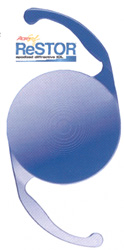 As with any surgical procedure there are inherent risks, and your results cannot be guaranteed. Your doctor will provide you with more detailed information about potential risks and benefits to help decide whether cataract surgery and the AcrySof® ReSTOR® IOL is right for you.